What Is Trezor Login and How Does It Work?
The world of cryptocurrency is built on decentralization, transparency, and security. Unlike traditional banking systems where a central institution safeguards your funds, digital assets rely on individuals taking full responsibility for protecting their holdings. This is where hardware wallets, such as Trezor, become invaluable. One of the essential features tied to using Trezor devices is the Trezor login—a process that allows users to securely access accounts, manage assets, and integrate with other services.
This article explores what Trezor login is, how it works, why it’s important, common challenges, and best practices to ensure a safe crypto experience.
Introduction to Trezor Login
The Trezor login is a security mechanism that allows users to authenticate themselves when accessing cryptocurrency platforms, wallets, or decentralized applications (dApps). Unlike standard username-password logins, Trezor login uses a hardware device to confirm your identity. This makes it far more resistant to hacking attempts, phishing, and unauthorized access.
Instead of storing private keys on an internet-connected device, Trezor keeps them offline within the hardware wallet. When you log in, the wallet signs authentication requests locally, ensuring that your private keys never leave the device. This process significantly reduces the risk of asset theft.
Why Trezor Login Matters
The importance of Trezor login cannot be overstated in the crypto industry. Some key reasons include:
Enhanced Security: By leveraging hardware-based authentication, users eliminate the risks associated with weak or reused passwords.
User Privacy: Trezor login enables anonymous access without relying on centralized databases that can be hacked.
Control Over Assets: Since private keys remain offline, users retain complete control of their funds.
Phishing Protection: Attackers can’t gain entry by simply stealing login credentials.
Essentially, Trezor login is the bridge between user convenience and top-tier security.
How Trezor Login Works
The process of Trezor login is straightforward, though built on sophisticated cryptography. Here’s how it typically works:
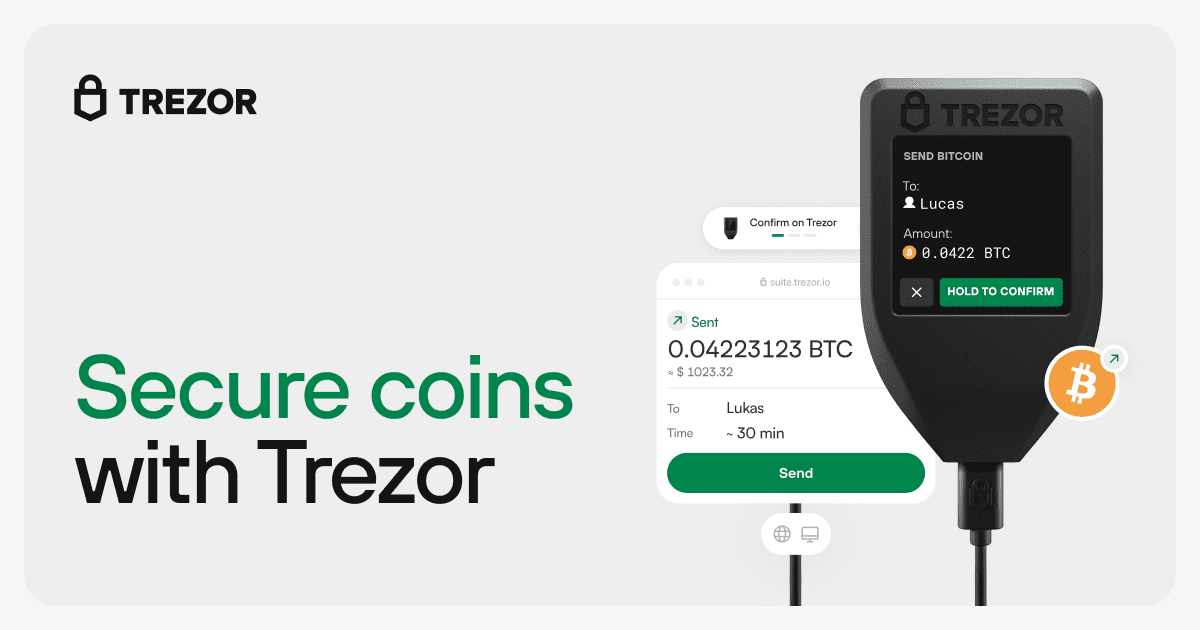
Connecting the Device: Users plug their Trezor hardware wallet into a computer or mobile device using USB or Bluetooth (for certain models).
Opening Trezor Suite or Integrated Platform: Trezor login is available through Trezor Suite (the official desktop application) or third-party services that support Trezor authentication.
Request for Authentication: When attempting to log in, the platform sends a request to the connected Trezor device.
Device Confirmation: The user confirms the request on the Trezor hardware wallet by entering the PIN or passphrase directly on the device.
Authentication Approval: The device signs the request using cryptographic keys stored securely within it.
Successful Login: The platform verifies the signed request, granting access without ever exposing private keys.
This flow ensures that even if your computer is compromised by malware, your crypto remains safe.
Features Accessible Through Trezor Login
Once logged in via Trezor login, users gain access to several important features:
Wallet Management: View balances, send and receive cryptocurrencies, and manage multiple accounts.
Portfolio Overview: Track assets across supported coins and tokens.
Integration with dApps: Use Trezor login for decentralized finance (DeFi) platforms and Web3 apps.
Secure Exchange Access: Some exchanges allow login and withdrawals authorized only through Trezor.
Password Manager: Trezor login can also work with a password management tool to enhance online security beyond crypto.
Security Features of Trezor Login
Trezor login stands out because of the multiple security layers it provides:
PIN Protection: Every time you connect your device, you must input a secure PIN.
Passphrase Entry: An optional feature adds an extra layer of security by requiring a secret phrase.
Offline Key Storage: Private keys never leave the hardware wallet.
Open Source Transparency: Trezor’s firmware and software are open source, making it auditable by the community.
Phishing Resistance: Since authentication requires device confirmation, phishing attempts are rendered useless.
Common Issues with Trezor Login
Even though Trezor login is highly secure, users may encounter certain challenges:
Lost Device: If you lose your Trezor device without a backup seed, account recovery may be impossible.
Forgotten PIN/Passphrase: Users must carefully store these credentials, as they are essential to login.
Browser or Software Compatibility: Certain platforms may require updated software or browser extensions.
Connection Issues: Faulty cables or outdated firmware may cause login interruptions.
User Error: Accidentally approving malicious requests on the device could compromise funds.
Troubleshooting Trezor Login Problems
If you encounter difficulties with Trezor login, here are some solutions:
Update Firmware: Ensure your Trezor device is running the latest version.
Use Official Trezor Suite: Always log in through the official Trezor Suite application or verified integrations.
Check Connections: Replace faulty cables or use a different USB port if the device isn’t detected.
Verify Websites: Double-check that you’re not logging in through a phishing site.
Restore with Seed Phrase: If your device is lost or broken, use your recovery seed on a new Trezor to regain access.
Best Practices for Using Trezor Login
To maximize the benefits of Trezor login, follow these best practices:
Always use a unique PIN and enable the passphrase feature.
Keep your recovery seed phrase secure and offline—never store it digitally.
Regularly update Trezor firmware to benefit from the latest security improvements.
Bookmark official websites to avoid phishing traps.
Avoid using public computers for login whenever possible.
Regularly review your device and platform settings.
Advantages of Trezor Login for Users
Some standout benefits of using Trezor login include:
Superior Security: Hardware-based authentication outperforms traditional password logins.
Simplicity and Convenience: Easy for beginners while still advanced enough for experienced traders.
Broad Integration: Supported by numerous wallets, exchanges, and DeFi platforms.
Transparency: Open-source design ensures trustworthiness.
Long-Term Safety: Even if your computer is hacked, your crypto stays secure.
Trezor Login vs. Traditional Login Systems
Compared to standard login systems, Trezor login offers unparalleled advantages:
Traditional systems rely on passwords that can be stolen; Trezor login uses cryptographic keys.
Trezor login requires physical device confirmation, unlike centralized databases.
Password resets are common with traditional systems, but Trezor login requires recovery seeds, which are more secure if handled properly.
This makes Trezor login especially attractive for serious crypto investors who prioritize asset safety.
The Future of Trezor Login
As blockchain technology advances, Trezor login will likely evolve to include:
Biometric Enhancements: Fingerprint or facial recognition integration with hardware wallets.
Broader dApp Integration: Seamless login for hundreds of decentralized applications.
Layer-2 Security Features: Even faster, more private authentication methods.
Cross-Platform Consistency: Better support for mobile and desktop ecosystems.
These upgrades will enhance both convenience and security.
Conclusion
So, what is Trezor login and how does it work? It is the secure authentication system that allows users to access wallets, exchanges, and decentralized applications using their Trezor hardware wallet. Instead of relying on passwords, it uses cryptographic verification that keeps private keys offline, ensuring maximum safety for crypto investors.
With layers like PIN protection, optional passphrases, and recovery seed backups, Trezor login is one of the most secure ways to interact with the cryptocurrency ecosystem. While occasional challenges like device loss or connectivity issues may arise, they are manageable with proper precautions.
For anyone serious about safeguarding their digital assets, Trezor login is a vital tool that blends convenience with world-class security.
Disclaimer
This article is for informational purposes only and does not constitute financial, investment, or legal advice. Cryptocurrency investments carry risks, and users should do their own research and consult with professionals before making any financial decisions.